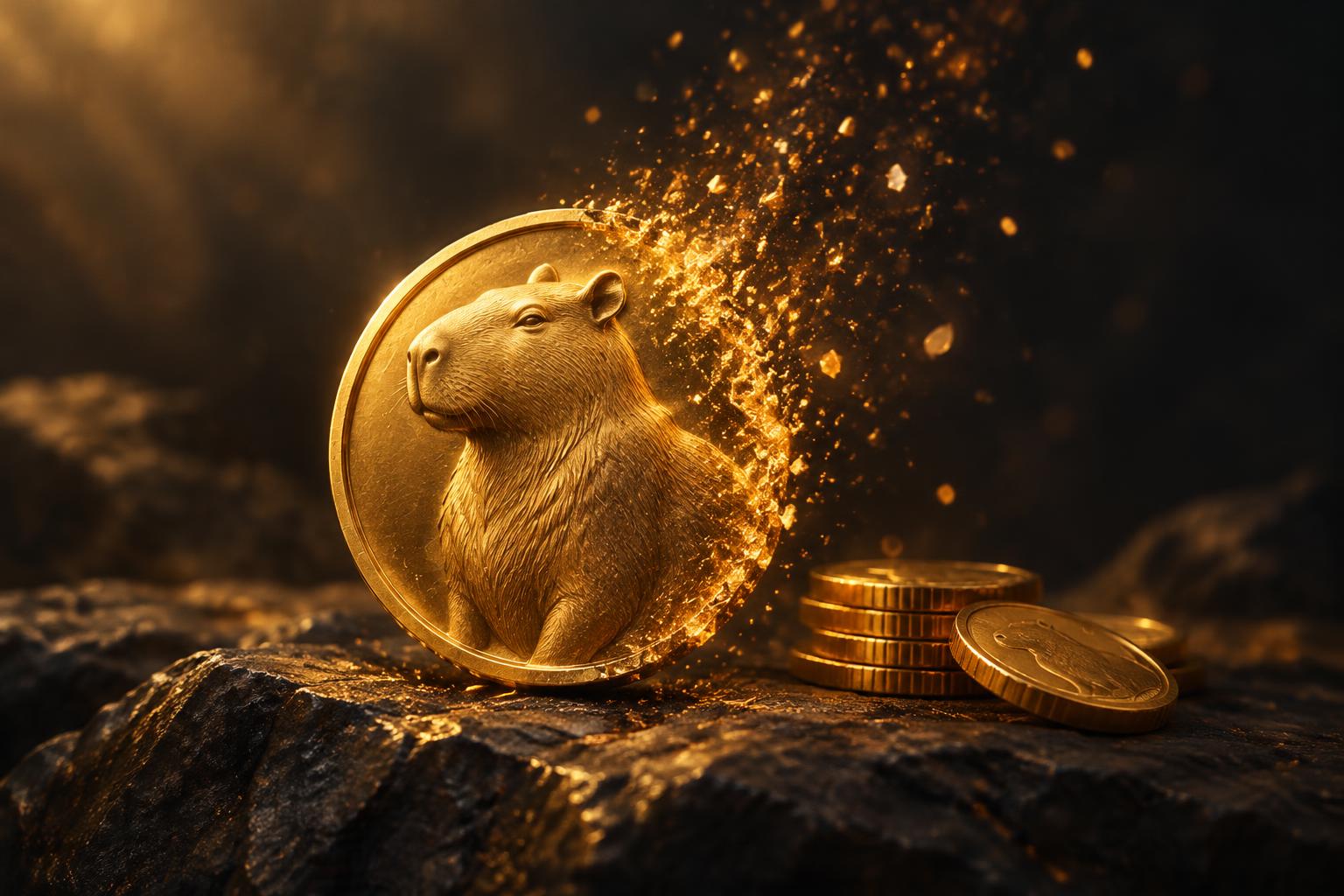
Maximum supply per chain 28,800,000. 80% of allocated protocol fees go to buying BaraFi tokens and destroying them. Stake your acquired BaraFi Tokens for multichain allocations.
Twenty-eight point eight million. Per chain.Every BaraFi token version carries its own hard cap.
Most fees come back to holders.80% of BaraFi's fee share buys BFI and burns it.
New chain? Stakers get the launch.Stake BFI on a live network to earn airdrops on the next one.
BaraFi is designed so the token gets scarcer the more the protocol is used—and so the people who hold through a network's first days are the ones paid when it opens.
THE NUMBERS, IN ONE PLACE
The supply per chain, in plain figures.
DESIGN AS ANNOUNCED · TOKEN NOT YET LIVE
A cap that can only come down.
Maximum supply is 28,800,000 BaraFi tokens on every chain. Every buy & burn takes tokens out of circulation for good, so the number that actually exists on that chain can only move in one direction: down.
BaraFi launches first on Ethereum. Every other blockchain BaraFi reaches gets its own version of the BaraFi token, each with its own connected buy & burn fed by the fees that network earns.
Each blockchain BaraFi reaches runs its own BaraFi token version with its own buy & burn. On every newly launched network, 50% of that token's supply goes to BaraFi stakers on the networks already live. Token distribution on the launch network, staking mechanics and final fee rates are still to be confirmed before launch.
TWO WAYS BFI WORKS
Burns that shrink supply. Airdrops that reward patience.
The protocol charges fees when people actually use it. Most of that money goes back into the token, and the people already staking are first in line when BaraFi opens on a new chain.
BUY & BURN
Fees come back as fewer tokens.
When someone borrows, BaraFi collects a small fee on the collateral. 80% of BaraFi's share of those fees is used to buy BaraFi tokens and destroy them permanently. Every burn makes each remaining token a slightly bigger slice of a smaller total.
80% of BaraFi's protocol fee share goes to buy & burn.
Burned tokens are gone for good—no one can mint them again.
Each network's token version runs its own buy & burn.
See where fees come from A buy & burn is not a promise of profit. Prices are set by buyers and sellers, and can fall as easily as they rise.
STAKE & AIRDROP
Hold early. Collect on every new chain.
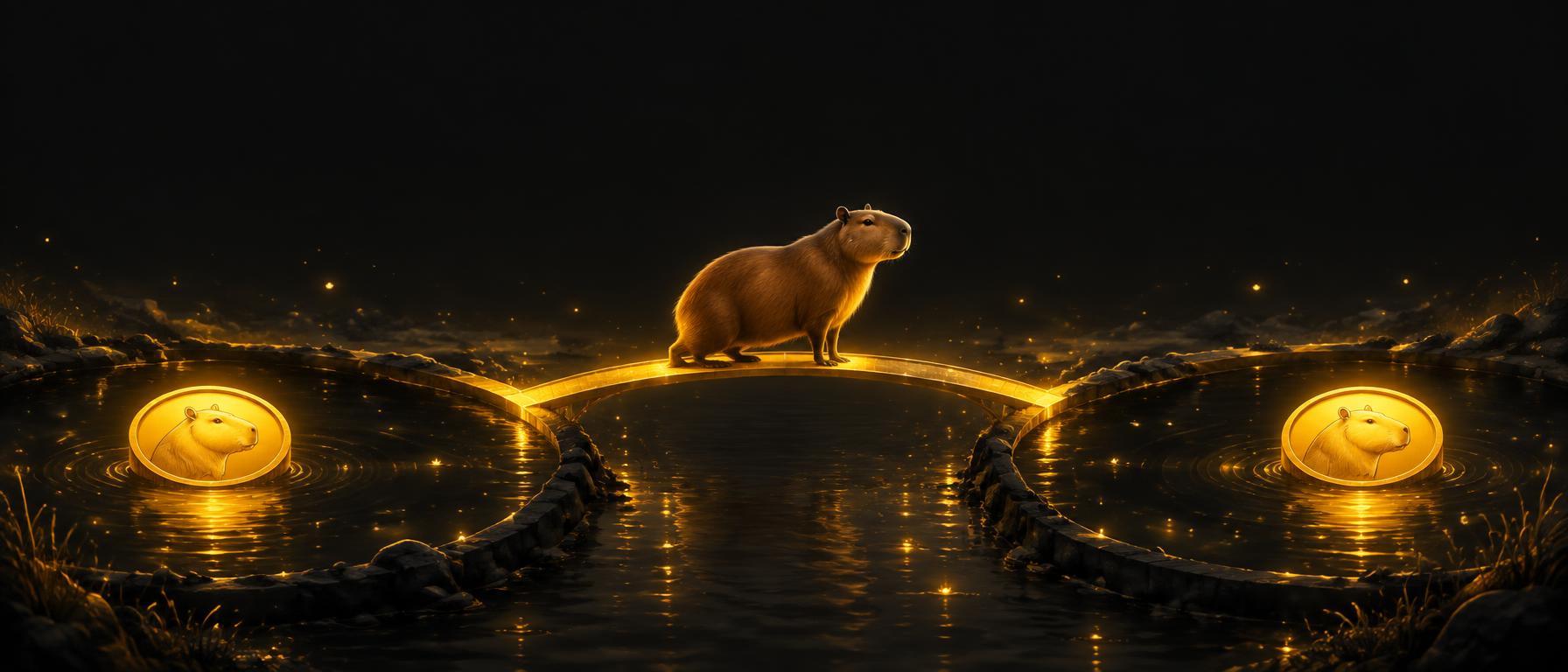
After the Ethereum launch, 50% of the supply of every new network's BaraFi token goes to BaraFi stakers on the networks already live. Stake your BFI and you earn airdrop allocations for BaraFi's future launches—the reward is arriving on the next pond before anyone else.
Any user can stake BaraFi tokens on a live network to earn allocations.
50% of each new network's supply goes to BaraFi stakers on existing networks.
Airdrops arrive as that network's own BaraFi token version.
How staking works Staking timing, lock-ups and the allocation formula are still being designed and will be published before staking opens.
ONE BARAFI, MANY PONDS
From Ethereum to every chain after it.
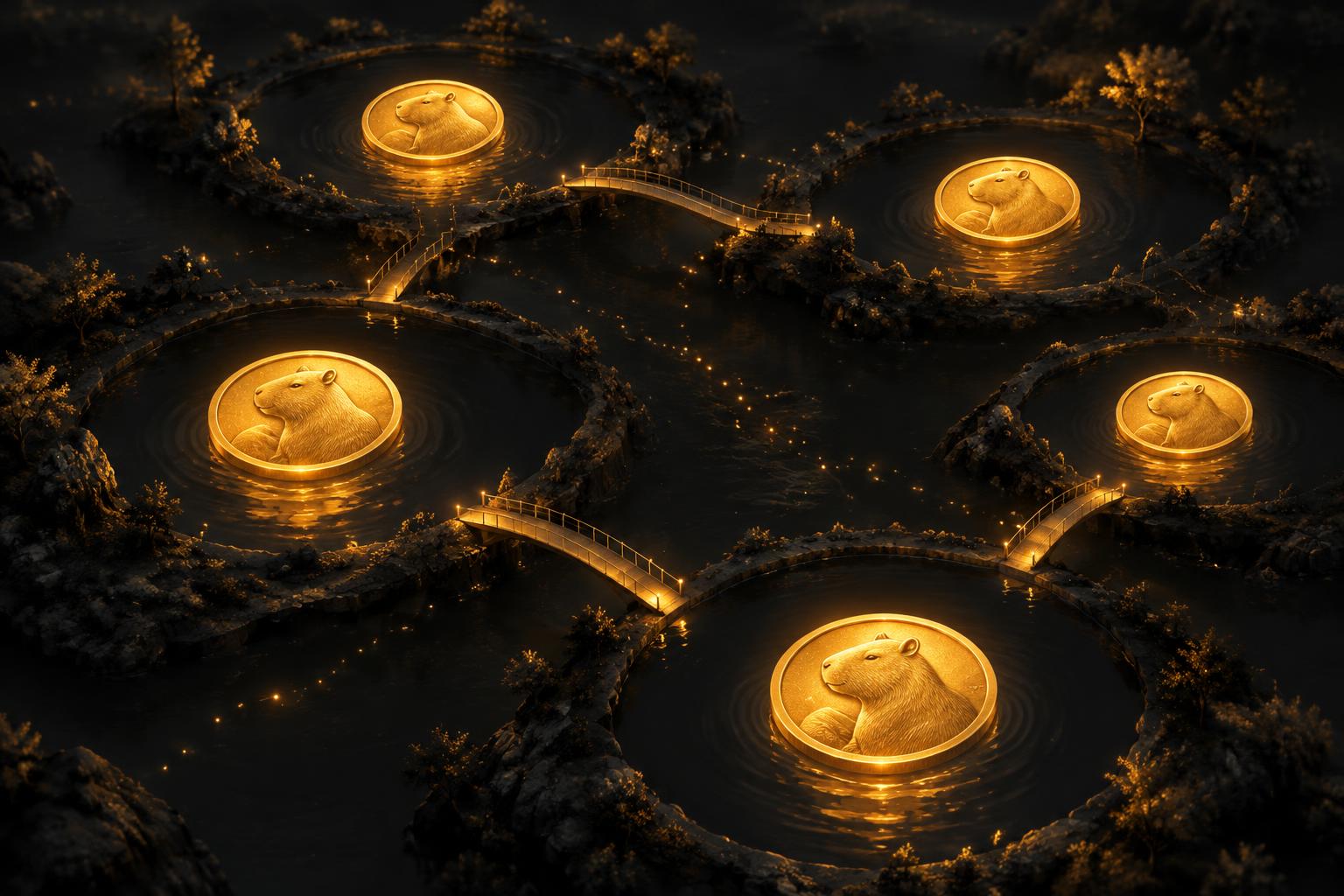
BaraFi will exist on numerous blockchains. Each one gets its own BaraFi token version with its own buy & burn—and stakers on the networks already live are the ones who collect when a new pond opens.
01
Ethereum first
BaraFi launches on Ethereum with its own BaraFi token. That is where lending, options and the DEX begin, and where the first buy & burns happen.
02
New ponds, new versions
Every additional blockchain gets its own BaraFi token version, with its own buy & burn connected to the fees that network earns.
03
Stakers get the launch
50% of the supply of each new network's BaraFi token is distributed as an airdrop allocation to BaraFi stakers on the networks already live.
Why a separate token on every chain?
Each network's BaraFi token is its own asset with its own buy & burn tied to activity on that network, instead of one token stretched across bridges and depending on someone holding the original somewhere else.
Staking BaraFi tokens on a live network earns airdrop allocations for future BaraFi launches on other blockchains. The staking contract, allocation math and airdrop schedule have not been built yet, and nothing on this page is live: no token is deployed, no staking is open and no airdrop has been sent.
BEFORE YOU BUY IN
Good questions. Straight answers.
A token is the easiest thing in crypto to promise and the hardest to judge. Here's what BFI actually is—and what it isn't yet.
Is the BaraFi token live yet?
No. BFI is announced, not issued. There is no token contract deployed, no staking contract, no airdrop and no trading pair. The lending, options and DEX previews on this site all run on example balances. When the token contract is written it will be published on the Contracts page alongside everything else, so anyone can read it before it goes live.
Three things, by design: its supply is capped at 28,800,000 per chain; 80% of BaraFi's share of protocol fees is spent buying BFI and burning it; and staking BFI on a live network earns airdrop allocations for BaraFi's launches on the next one. It does not change your loan terms, your collateral or your option strike—those come from the agreement you accepted.
Does burning tokens make my tokens worth more?
It can't promise that. A burn permanently reduces supply, which is real and verifiable, but price is set by buyers and sellers. If demand for BaraFi's services falls, fees fall, the buy & burn gets smaller, and the token can still lose value. Treat a burn as a mechanism, not a guarantee.
Is one BaraFi token the same on every chain?
No. Each blockchain gets its own version of the BaraFi token, with its own supply capped at 28,800,000 and its own buy & burn. A BFI on Ethereum and a BFI on another network are separate assets. Moving tokens between networks will depend on the bridges BaraFi supports, and cross-chain transfers always carry their own risks.
Do I have to stake to benefit?
No. Staking is the route to airdrop allocations on future networks—50% of each new network's supply goes to stakers on the networks already live—but you can simply hold BFI and still benefit from buy & burns reducing supply. Staking details such as lock-ups, slashing and how allocations are weighted are still being designed.
Can someone change the supply or the fee split later?
The BaraFi contracts are written with no administrator who can quietly change, upgrade or pause them, and the fee settings are fixed when deployed. The token contract will follow the same rule and will be reviewed independently before it goes live. Until that review exists, judge the tokenomics as a plan rather than shipped code.